Walking vs. Running: Which Burns More Fat & Why?
Both walking and running help you lose fat — but they work differently inside your body. This complete guide shows the science behind calorie burn, fat oxidation, intensity levels, metabolism, and how to choose the best method for your goals.
Introduction
People often debate whether walking or running is better for burning fat. On the surface, running seems like the obvious winner — it burns more calories per minute, raises your heart rate instantly, and feels like a “real workout.” But walking has powerful benefits too, especially for fat oxidation, stress control, appetite regulation, and long-term consistency.
The real answer is more nuanced than “running burns more calories.” Walking might burn a higher percentage of fat, while running burns more total calories. The best choice depends on your goals, your physiology, your stress levels, and even your lifestyle.
How Your Body Burns Fat (The Simple Science)
Before comparing walking and running, it helps to understand what “fat burning” actually means. Your body uses two main fuels:
- Fat — used more at low to moderate intensities.
- Carbohydrates — used more at moderate to high intensities.
Fat oxidation is intensity-dependent
The “Fatmax zone” is the exercise intensity at which your body burns the highest amount of fat (not percentage). For most people, this is around 50–65% of maximum heart rate — which usually corresponds to brisk walking or very light jogging.
Running burns more total calories, but walking often burns a higher percentage of calories from fat.
The Science of Walking
Walking burns fewer calories — but more fat as fuel
Several metabolic studies show that at lower intensities, especially below the lactate threshold, the body prefers fat as its primary fuel source. Brisk walking sits exactly in this zone. This is why many coaches call walking the most underrated fat-loss tool.
Walking reduces stress hormones
Running raises cortisol levels (short term), while walking often lowers them. This can indirectly support fat loss by improving recovery, reducing emotional eating, and improving sleep quality.
Walking is easier to sustain long-term
You can walk every day, sometimes multiple times a day. Running requires more recovery time. Long-term fat loss success is strongly linked to adherence — and walking is one of the easiest forms of consistent movement.
The Science of Running
Running burns more calories per minute
Running requires more energy because it recruits more muscles and involves impact forces. A 30-minute run typically burns 50–100% more calories than a 30-minute walk, depending on pace and body size.
Running improves VO2 max
High VO2 max is a marker of longevity. Running is one of the best ways to improve cardiovascular fitness quickly, which also increases total daily energy expenditure.
High-intensity running burns calories even after the workout
Intense running sessions (like intervals or tempo runs) elevate EPOC (Excess Post-exercise Oxygen Consumption). This is often called “afterburn effect.” It means you burn extra calories for hours after finishing the workout.
- Higher calorie burn
- Higher cardiovascular demand
- More intense stimulation of metabolism
Fat Oxidation Differences
Studies on substrate utilization show:
- Walking uses a higher percentage of fat for energy.
- Running uses more total calories.
- Moderate intensity has the highest fat oxidation rate.
The biggest fat loss occurs when total energy expenditure is high — but intensity is still sustainable.
Calorie Burn Comparison
Calories per 30 minutes (approx.):
- Walking (5 km/h): 120–150 calories
- Walking (6.5 km/h): 180–220 calories
- Running (8 km/h): 300–380 calories
- Running (10 km/h): 380–480 calories
The difference in fat loss:
Running burns more calories, but walking is easier to repeat daily. Over a week:
- 7 × 45-minute walks = ~1,000–1,300 calories
- 3 × 30-minute runs = ~1,000–1,200 calories
Surprisingly, total weekly calories burned can be similar — depending on how often you repeat the activity.
Which Burns More Fat?
If the goal is pure calorie burn:
Running wins.
If the goal is sustainable daily fat loss:
Walking wins.
If the goal is maximum total fat loss:
The best approach is a combination:
- Walking for daily consistency
- Running 1–2× per week for metabolism & VO2 max
- Strength training 2–3× per week to maintain muscle
Celebrity Example: How a Pro Uses Walking
Actor Mark Wahlberg has spoken publicly about his dedication to early-morning walking, often using incline treadmill walks as his fat-burning routine. He has discussed this in interviews describing how lower-intensity walking allows him to train consistently without overloading his joints.
How to Choose Based on Your Goal
Goal: Lose fat as efficiently as possible
- Do 10,000–12,000 steps daily.
- Add 1–2 short runs per week.
- Strength train 2–3× weekly to maintain muscle.
Goal: Avoid injuries / overweight beginner
Start with walking only.
Goal: Improve fitness dramatically
Run 2–3× weekly + walk daily for recovery.
Goal: Stress reduction
Walking is superior (cortisol-friendly).
Goal: Fast calorie burn in limited time
Running wins.
FAQ
Is walking enough to lose weight?
Yes — if you walk consistently and maintain a calorie deficit.
Does running burn belly fat?
No exercise burns fat in a specific area, but running increases total caloric burn.
Is running better for metabolism?
Running increases VO2 max and EPOC, which boosts total daily burn.
Which is better for beginners?
Walking.
Recommended Tools for Walking & Running
These items can improve your walking or running experience and help track progress more accurately.
1. Fitbit Charge 6 Fitness Tracker

A lightweight tracker with accurate heart rate, step tracking, GPS, and sleep monitoring — excellent for walking & running progress.
2. Brooks Ghost 15 Running Shoes

One of the most comfortable shoes for both walking and running — excellent cushioning, joint protection, and long-distance support.
3. Hydration Belt for Running & Walking

Perfect for longer outdoor sessions. Carries water, keys, and your phone without bouncing.
4. Compression Socks
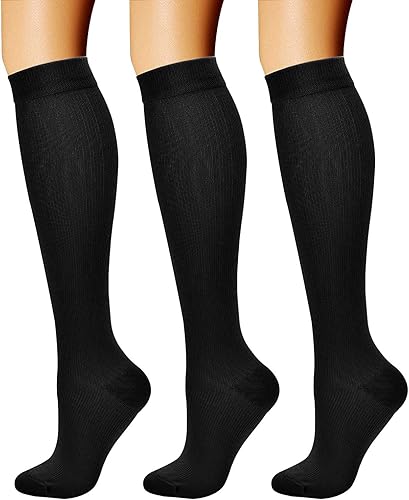
Reduce fatigue and improve circulation during long walks and runs.
5. Digital Body Weight & Body Fat Scale

Tracks body fat, water percentage, and muscle mass — excellent for monitoring long-term progress.
Celebrity Source
Mark Wahlberg's use of incline treadmill walking for fat loss has been mentioned in interviews and media coverage. Source: Men's Health – Mark Wahlberg Workout Feature
Scientific References
- Fat oxidation intensity research: PubMed – Fat oxidation during exercise
- Walking vs. running energy cost comparison: PubMed – Energy expenditure of walking and running
- High-intensity exercise & EPOC: PubMed – Excess post-exercise oxygen consumption
- VO2 max & running benefits: PubMed – VO2 max and endurance training
- Cortisol response to running vs walking: PubMed – Exercise intensity and cortisol
Conclusion
Both walking and running can effectively support fat loss — but your best choice depends on your lifestyle, stress level, and fitness goals. Walking burns a higher percentage of fat and is extremely sustainable, while running burns more total calories and improves cardiovascular fitness faster.
The most effective long-term strategy is a combination: daily walking for consistency and recovery, plus 1–2 running sessions weekly to boost metabolism and challenge the cardiovascular system. When paired with strength training and consistent nutrition, both methods can produce exceptional fat-loss results.
Track your progress, adjust intensity based on your body's signals, stay consistent, and remember — the best workout is the one you can maintain for years, not weeks.
Disclaimer
This article is for informational purposes only and is not medical advice. Always consult a healthcare professional before beginning any fitness, diet, or supplement program.


