NEAT for Fat Loss: How Daily Movement Burns More Fat Than Extra Workouts
If you are doing “the right workouts” but fat loss feels slower than it used to, there is a hidden lever you can pull without adding more gym sessions: NEAT. NEAT stands for Non-Exercise Activity Thermogenesis — the calories you burn from everything that is not sleeping, eating, or formal exercise. It includes walking to the kitchen, standing while you work, cleaning, carrying groceries, pacing during a phone call, taking the stairs, and even fidgeting.
For many women, especially after 35–40, NEAT becomes the difference between “I work out but nothing changes” and “I finally feel like my body is responding again.” In this article, you will learn how NEAT works, why it matters for fat loss, how to increase it without exhausting yourself, and how to combine it with strength training for the best long-term results.
What NEAT Is (And What It Is Not)
NEAT is the energy you spend on everyday movement that is not planned exercise. It is not your gym workout, your run, or your HIIT session. It is what happens in the “other 23 hours” of your day.
- Walking while listening to a podcast
- Standing up every 30–60 minutes
- Cleaning, laundry, cooking
- Parking farther away
- Taking stairs
- Playing with kids or pets
- A planned 45-minute workout
- Sports training
- Long runs or cycling sessions
- Strength training sessions
- HIIT workouts
NEAT sounds small, but it can vary massively between people. Research led by James Levine (one of the key NEAT researchers) highlights that daily NEAT can differ by hundreds to even thousands of calories between individuals, depending on lifestyle and biological factors. That is why two people can eat similarly and exercise similarly, yet one maintains weight easily while the other struggles.
The “fat loss secret” is often not another workout. It is moving more in ways that feel almost too simple to count.
Why NEAT Matters for Fat Loss
Fat loss is driven by a consistent energy deficit over time. You can create that deficit by eating fewer calories, burning more calories, or ideally a combination of both. Here is the part most people miss: your body adapts.
When you diet, your body often tries to conserve energy by subtly reducing movement: fewer steps, less fidgeting, more sitting, less spontaneous “get up and go.” You may not notice it — but your calorie burn drops. NEAT is the part of your metabolism that is easiest to unintentionally shut down during stress, dieting, and busy schedules.
NEAT also matters because it is often easier to sustain than adding more intense exercise. A daily 30-minute run can be hard to repeat week after week when you are tired, busy, or dealing with joint sensitivity. But adding 2,000–4,000 steps, taking short walk breaks, or using a walking pad while working can be surprisingly realistic.
What the Science Says About NEAT
NEAT explains why some people resist weight gain
Classic research on overfeeding found that when people ate more calories than normal, their weight gain varied widely. The difference was not just “fast metabolism” — it was movement. Changes in non-exercise activity (NEAT) explained large differences in fat gain between individuals. In other words, some people unconsciously moved more when overfed and “burned off” more of the extra energy.
Small movement breaks can create an energy deficit
Studies examining sedentary behavior show that breaking up sitting with brief movement (such as short walking breaks) increases energy expenditure. Even if each break is small, the cumulative effect across a workday can matter. Research on interruptions to sedentary time has shown that regular walking breaks can add meaningful calorie burn compared to uninterrupted sitting.
Steps are linked with better health outcomes
Beyond weight control, a rapidly growing body of evidence links daily steps to health outcomes including mortality, cardiovascular disease, and metabolic risk. Large systematic reviews and dose-response analyses suggest that increasing steps from very low levels to moderate levels yields large benefits, with diminishing returns at higher step counts. This is important for fat loss too: your body responds well to consistent, moderate, repeatable activity.
NEAT vs. Workouts: Which Matters More?
Workouts matter. Strength training protects muscle and supports metabolic health. Cardio improves heart health and can support fat loss. But if you only focus on workouts, you can miss the bigger picture: your total daily movement.
- High impact on fitness in short time
- Builds strength, endurance, performance
- Can be stressful if overdone
- Usually 30–60 minutes a day (or less)
- Lower intensity, easier to repeat
- Can add hours of light activity across the day
- Often drops during diets and stress
- Supports steady calorie burn without burnout
The best fat-loss strategy is not choosing one. It is combining them: strength training for muscle and body shape, and NEAT for consistent daily energy expenditure.
If workouts are the “spark,” NEAT is the “slow burn” that keeps fat loss moving week after week.
Why NEAT Is Especially Powerful for Women Over 40
After 40, many women face a perfect storm:
- Busy schedules with more sitting (work, commuting, family responsibilities)
- Higher stress levels, which can reduce spontaneous movement
- Dieting history, which can lower energy and reduce non-exercise activity
- Joint sensitivity that makes high-impact cardio less appealing
NEAT works well in this phase of life because it is flexible. You can increase NEAT through walking, standing, light chores, and frequent short movement breaks. This approach is joint-friendly and can be adapted to your real schedule.
How to Increase NEAT Without “Doing More Cardio”
The key is to think in micro-moves. You are not trying to become a marathon runner. You are simply trying to add more movement opportunities into your day in ways you can repeat.
1) Build “movement triggers” into your routine
- Every phone call becomes a walking call (even pacing counts).
- After every meal, take a 5–10 minute walk.
- When you finish a task, stand up for 60 seconds before starting the next.
- Set a timer to stand and move every 45–60 minutes.
2) Use “low friction” movement
Low friction means it does not require motivation, equipment setup, or special clothing. Examples: 2 minutes of stairs, short walks while waiting for coffee to brew, quick tidy-up rounds, or a 10-minute walk after dinner. These add up faster than you think.
3) Add incline or light resistance when you are ready
A gentle incline walk or a light weighted vest can increase energy expenditure without turning the session into a hard workout. This is especially useful when you want more results without more time.
4) Keep it recoverable
If your NEAT plan makes you exhausted, it will fail. The goal is “I can do this most days” — not “I destroyed myself today.” Start small, stabilize, then build.
Step Targets That Make Sense (Not Just 10,000)
You have probably heard “10,000 steps a day.” It is a popular number, but the science suggests something more practical: the biggest benefits come from moving out of very low step counts into moderate step counts. If you are currently around 3,000–4,000 steps, moving to 6,000–7,000 can be a major upgrade. If you are already at 8,000–10,000, the benefits still exist but the returns may be smaller.
- Start: add 1,000 steps per day for 7 days
- Next: add another 1,000 steps per day for 7 days
- Build: aim for a comfortable range you can sustain most days
The best target is the one you can repeat consistently without fatigue or injury.
Remember: steps are not the only form of NEAT, but they are the easiest to track. That is why a simple step goal often works better than complicated plans.
NEAT for Desk Jobs: A Simple System
If you sit for most of the day, NEAT can feel impossible. But desk life is exactly where NEAT can change everything, because small breaks stack up.
The “2-2-2” rule
This is a low-stress system you can start tomorrow:
- 2 minutes of movement every hour (walk, stairs, mobility)
- 2 short walks during the workday (5–12 minutes each)
- 2 intentional after-meal walks (especially after lunch and dinner)
Why after-meal walks are a cheat code
Walking after meals is easy to remember because it is attached to something you already do. It also supports better post-meal glucose control in sedentary adults, which matters for appetite regulation and long-term metabolic health.
A 7-Day NEAT Plan You Can Actually Follow
This plan is designed to increase NEAT without turning your week into a full-time fitness job. Adjust times to fit your schedule.
Day 1: Baseline & awareness
- Track your normal steps and sitting patterns (no changes yet).
- Add a 5-minute walk after dinner.
Day 2: Add one movement trigger
- Take a 7–10 minute walk after lunch.
- Stand up for 60 seconds every hour.
Day 3: Upgrade your environment
- Move items you use (water bottle, printer, trash can) farther away so you must stand up.
- Add a second 5-minute walk in the afternoon.
Day 4: Add “walking calls”
- Take at least one phone call while walking or pacing.
- Add stairs for 1–3 minutes if available.
Day 5: Add a light-intensity block
- Do a 20–30 minute easy walk (comfortable pace).
- Keep after-meal walks.
Day 6: Make it social
- Walk with a friend, family member, or music playlist you love.
- Choose an enjoyable route so the habit feels like a reward, not a task.
Day 7: Lock in your “minimum effective dose”
- Choose 2–3 NEAT habits you can maintain most days.
- Set a realistic step goal range for next week.
- Plan your walks like appointments (short and easy is fine).
How to Combine NEAT & Strength Training (The Best Combo for Fat Loss)
If you only have time for one formal training type, choose strength training. It preserves muscle and protects your metabolism as you lose fat. But if you want the most effective approach, combine:
- 2–3 strength sessions per week (full body focus)
- Daily NEAT increase (steps and movement breaks)
- Optional cardio if you enjoy it, but not as a punishment
Why this combination works
Strength training gives your body a reason to keep muscle during a deficit. NEAT increases your daily calorie burn without requiring high-intensity sessions. Together, they support fat loss while maintaining strength, shape, and energy.
- Lean mass
- Bone density
- Joint stability
- Metabolic rate
- Daily calorie burn
- Glucose control after meals
- Consistency & adherence
- Energy without burnout
If your goal is fat loss, the best program is often not the hardest. It is the one you can keep doing. NEAT is what makes “keep doing” easier.
Helpful Tools & Gear to Increase NEAT
You can increase NEAT with zero equipment. But the right tools can make it easier, more trackable, and more consistent — especially if you work at a desk or spend long hours at home.


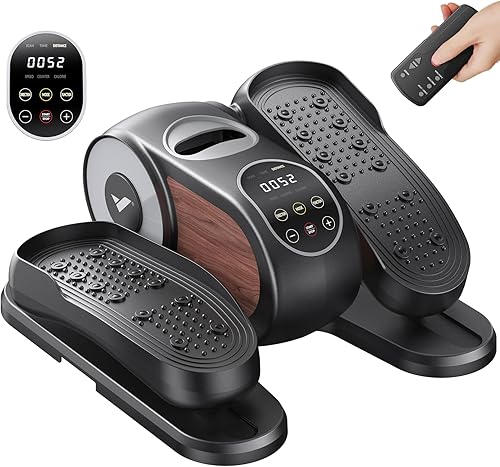
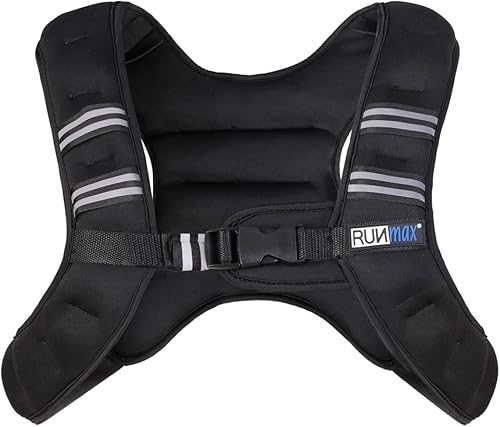

Choose tools that reduce friction. The “best” tool is the one you will use consistently, not the fanciest one.
Real-Life Example (Lifestyle Story)
Imagine a 44-year-old woman with a desk job who strength trains twice per week and eats “pretty healthy,” but her weight has not changed in months. She assumes she needs more intense workouts, but she is already tired and does not want to add HIIT.
Instead, she changes one variable: daily movement. She buys a simple step counter and starts with a realistic goal: add 1,500 steps per day for two weeks. She adds a 10-minute walk after dinner and takes a 2-minute walk break every hour at work. On days when weather is bad, she uses a walking pad for 15–20 minutes while answering emails.
Nothing extreme happens overnight, but within a month her weekly average steps rise from about 3,800 to about 7,000. Her appetite becomes easier to manage, and she feels less “stuck.” Over the following 8–12 weeks, she sees steady fat loss again — not because she punished herself, but because she raised her daily energy expenditure in a way she could repeat.
FAQ
NEAT can contribute significantly to a calorie deficit, especially if you go from very low movement to moderate movement. However, combining NEAT with strength training is usually the best approach for body composition, long-term metabolic health, and maintaining muscle during fat loss.
You do not need 10,000 to benefit. If you are currently low, moving from 3,000 to 6,000 is a major win. Focus on consistent improvement rather than a perfect number.
Standing burns more than sitting, but the bigger benefit is that standing often leads to more spontaneous movement. Think of standing as a gateway to walking, pacing, and small movement breaks.
Light movement often does not trigger the same hunger response as intense training. Some research suggests that breaking up sitting with light walking can induce an energy deficit without increasing appetite hormones in the short term, though responses vary by individual.
Increase gradually. A practical approach is adding around 1,000 steps per day for a week, then reassessing. Sudden big jumps can irritate joints or feet, especially if you have been sedentary.
Both matter, but for many busy women, NEAT is the easiest place to create consistent progress because it adds daily calorie burn without requiring high intensity sessions. Strength training remains essential to preserve muscle and shape as you lose fat.
Scientific References
- Levine JA. Non-exercise activity thermogenesis (NEAT). Curr Opin Endocrinol Diabetes Obes. 2004. PubMed
- Levine JA. Non-exercise activity thermogenesis (NEAT) is the energy expended for everything that is not sleeping, eating, or sports-like exercise. 2003. PubMed
- Levine JA, et al. Role of nonexercise activity thermogenesis in resistance to fat gain with overfeeding. Science. 1999. PubMed
- Vanltallie TB. Resistance to weight gain during overfeeding: a NEAT explanation. Nutr Rev. 2001. PubMed
- Swartz AM, et al. Energy expenditure of interruptions to sedentary behavior. Int J Behav Nutr Phys Act. 2011. PMC
- Bailey DP, et al. Breaking up prolonged sitting time with walking induces an energy deficit and suppresses postprandial glycaemia in sedentary adults. Appl Physiol Nutr Metab. 2016. PubMed
- Ding D, et al. Daily steps and health outcomes in adults: a systematic review and dose-response meta-analysis. Lancet Public Health. 2025. PubMed
- Xu C, et al. Objectively measured daily steps and health outcomes. 2024. PMC
- Pinto AJ, et al. Physiology of sedentary behavior. 2023. PMC
- von Loeffelholz C. Non-Exercise Activity Thermogenesis in Human Energy Balance. Endotext (NIH Bookshelf). 2022. NIH Bookshelf
Conclusion
NEAT is one of the most overlooked tools for fat loss, especially for women with busy lives who already “do workouts” but still feel stuck. It is not about doing more punishing exercise. It is about building more movement into the day in ways you can repeat.
Start with small, consistent changes: a short walk after dinner, hourly movement breaks, and a step goal that grows slowly. Combine NEAT with strength training to protect muscle and maintain a healthy metabolism as you lose fat. Over time, NEAT becomes the quiet foundation that keeps your progress moving when motivation is low and life is full.
The most effective fat loss plan is not the most extreme. It is the one you can live with — and NEAT is how you make that plan feel normal.
Disclaimer
This article is for informational and educational purposes only and does not constitute medical advice, diagnosis, or treatment. Always consult your physician or another qualified health professional before starting or changing any exercise program, diet, or supplement regimen, especially if you have existing medical conditions or risk factors. We do not take responsibility for any consequences resulting from the use or misuse of the information provided in this article.


