The Most Effective Workouts for Women Over 40 (Backed by Science)
Once you hit your 40s, workouts stop being just about “getting toned” for summer. They become your strategy for staying strong, energetic, and healthy for decades to come. The most effective workouts for women over 40 are not random YouTube routines – they are built on science: preserving muscle, protecting joints and bones, supporting hormones, and improving heart health without burning you out.
In this guide, you will learn which types of exercise give the biggest return on your time, how to combine them in a realistic weekly plan, and how to adapt everything to your current fitness level. All recommendations are backed by research on women in midlife and older adults, not just on young athletes.
Why Workouts After 40 Are Different
In your 20s, you can often get away with irregular training and still feel reasonably fit. After 40, biology becomes less forgiving. Two major processes are at play: progressive loss of muscle mass (sarcopenia) and changes in hormones, especially during perimenopause and menopause. Together, they can lower your resting metabolism, alter where you store fat, and reduce strength if you do nothing.
Research in middle aged and postmenopausal women shows that structured exercise programs can reverse many of these changes: resistance training builds or maintains lean mass, aerobic training lowers fat mass, and combined programs improve body composition more than either type alone.
The Four Pillars of Effective Training for Women 40+
The most effective workout routines for women over 40 are built from four key components:
- Strength training to maintain and build muscle, protect bones, and support hormone and metabolic health.
- Cardio to keep your heart and lungs strong and help manage fat mass.
- High intensity interval training (HIIT) in small doses to improve fitness efficiently, if appropriate for your level and health status.
- Mobility and balance work to keep joints comfortable, improve posture, and prevent falls as you age.
You do not need to spend hours every day. Studies suggest that two to three weekly strength sessions plus around 150 minutes of moderate aerobic activity, along with regular movement in daily life, can deliver major benefits for women over 40.
Strength Training: Your Non-Negotiable
Why strength training is central after 40
Strength training is the single most important type of exercise for women over 40. Several controlled trials and reviews show that resistance training in middle aged and older women improves lean mass, increases strength, and helps offset age related muscle loss.
More muscle does not just change how you look; it:
- Raises your resting metabolic rate so you burn more calories at rest.
- Improves blood sugar control and insulin sensitivity.
- Supports strong bones by placing load on the skeleton.
- Makes everyday tasks easier and reduces injury risk.
How often and how hard?
Position statements for older adults generally recommend strength training at least two non consecutive days per week, covering all major muscle groups. Sessions often include 1–3 sets of 8–12 repetitions per exercise at a challenging but safe effort level.
Best strength exercises for women over 40
Focus on full body, multi joint movements:
- Squats or leg presses
- Hip hinges: Romanian deadlifts, hip thrusts, or good mornings
- Horizontal push: push ups or chest presses
- Horizontal pull: rows with dumbbells, cables, or bands
- Vertical push and pull: overhead presses, pulldowns
- Core stability: planks, dead bug variations, carries
Start with body weight or light resistance and progress over weeks by adding weight, repetitions, or more challenging variations.
Cardio & HIIT: Heart, Lungs & Fat Loss
Why cardio still matters
Aerobic training is especially effective at reducing fat mass and improving cardiovascular health in postmenopausal women. Systematic reviews show that both moderate continuous cardio and combined programs (cardio plus resistance) improve body composition and cardiometabolic risk factors.
For most women in their 40s and beyond, a good target is:
- At least 150 minutes per week of moderate intensity cardio (such as brisk walking, cycling, or swimming), or
- 75 minutes per week of vigorous intensity cardio (such as jogging or fast cycling), or a combination.
Choose activities that feel joint friendly and enjoyable so you can stay consistent.
Where HIIT fits in
High intensity interval training alternates short bursts of harder effort with periods of recovery. Systematic reviews in middle aged and older adults suggest that HIIT can improve VO2 max, body composition, and muscle strength, often in less time than traditional cardio – though it is not clearly superior in all outcomes.
If you are healthy and already have a base of fitness, you can include one or two short HIIT sessions per week in place of some steady state cardio. Examples:
- 10 rounds of 30 seconds brisk uphill walking or cycling + 60–90 seconds easy pace
- 8 rounds of 20 seconds faster steps on a low aerobic step + 70–80 seconds gentle marching
Always warm up first and avoid maximal all out efforts, especially if you have cardiovascular risk factors or are new to intense training.
Mobility & Balance: Moving Well for Life
While strength and cardio get most of the attention, mobility and balance work quietly protect your joints and independence. With age, joint range of motion can decrease and balance can decline, increasing fall risk.
Studies in older adults show that programs combining strength, balance, and flexibility work improve gait speed, functional fitness, and reduce fall risk.
Two to three short sessions per week are enough to make a difference. Focus on:
- Gentle dynamic stretches for hips, hamstrings, chest, and upper back
- Balance drills such as single leg stands or heel to toe walks near support
- Controlled movements like yoga flows or Pilates inspired mobility work
Science-Based Weekly Workout Plan for Women Over 40
The plan below combines the best evidence: resistance training to protect muscle and bone, cardio for heart health and fat loss, and targeted mobility and balance work. Adjust durations based on your schedule and level.
- Day 1 – Strength focus (40–50 minutes)
Full body session: squat pattern, hip hinge, row, press, and core. Finish with 5–10 minutes light cardio or walking cool down. - Day 2 – Moderate cardio & mobility (30–40 minutes)
Brisk walking, cycling, or swimming at a pace where you can still talk. Add 10 minutes of mobility and stretching. - Day 3 – Rest or light activity
Gentle walk, yoga, or simply higher step count throughout the day. - Day 4 – Strength focus (40–50 minutes)
Another full body session with some different variations: lunges or step ups, hip thrust or glute bridge, pulldown, push up variation, carries, core. - Day 5 – Cardio or optional HIIT (25–35 minutes)
Either steady state cardio or a short interval session appropriate to your level. - Day 6 – Active lifestyle day
Longer walk, hike, cycling with family, recreational sport – something enjoyable that keeps you moving. - Day 7 – Rest & recovery
Prioritize sleep, hydration, and gentle movement.
How to Adapt If You Are a Beginner or Have Joint Pain
If you are new to exercise
- Start with two strength sessions and two walking days per week.
- Use body weight or very light resistance for the first few weeks.
- Keep sessions to 25–35 minutes and focus on learning technique.
If you have knee, hip, or back pain
- Choose low impact cardio such as cycling, elliptical, or deep water walking.
- Use supported strength exercises like wall sits, supported split squats, and machine or band rows.
- Avoid sudden jumps in volume or intensity; progress gradually.
- Consult with a physical therapist if pain persists or worsens.
If you are already fit but over 40
If you have been training for years, the main shift is not to stop pushing yourself, but to respect recovery. High quality sleep, deload weeks, and careful management of total volume matter more as you age. Many athletic women in their 40s thrive on three strength sessions, two cardio days, and one full rest day, rather than daily intense workouts.
Helpful Home & Gym Tools for Women Over 40
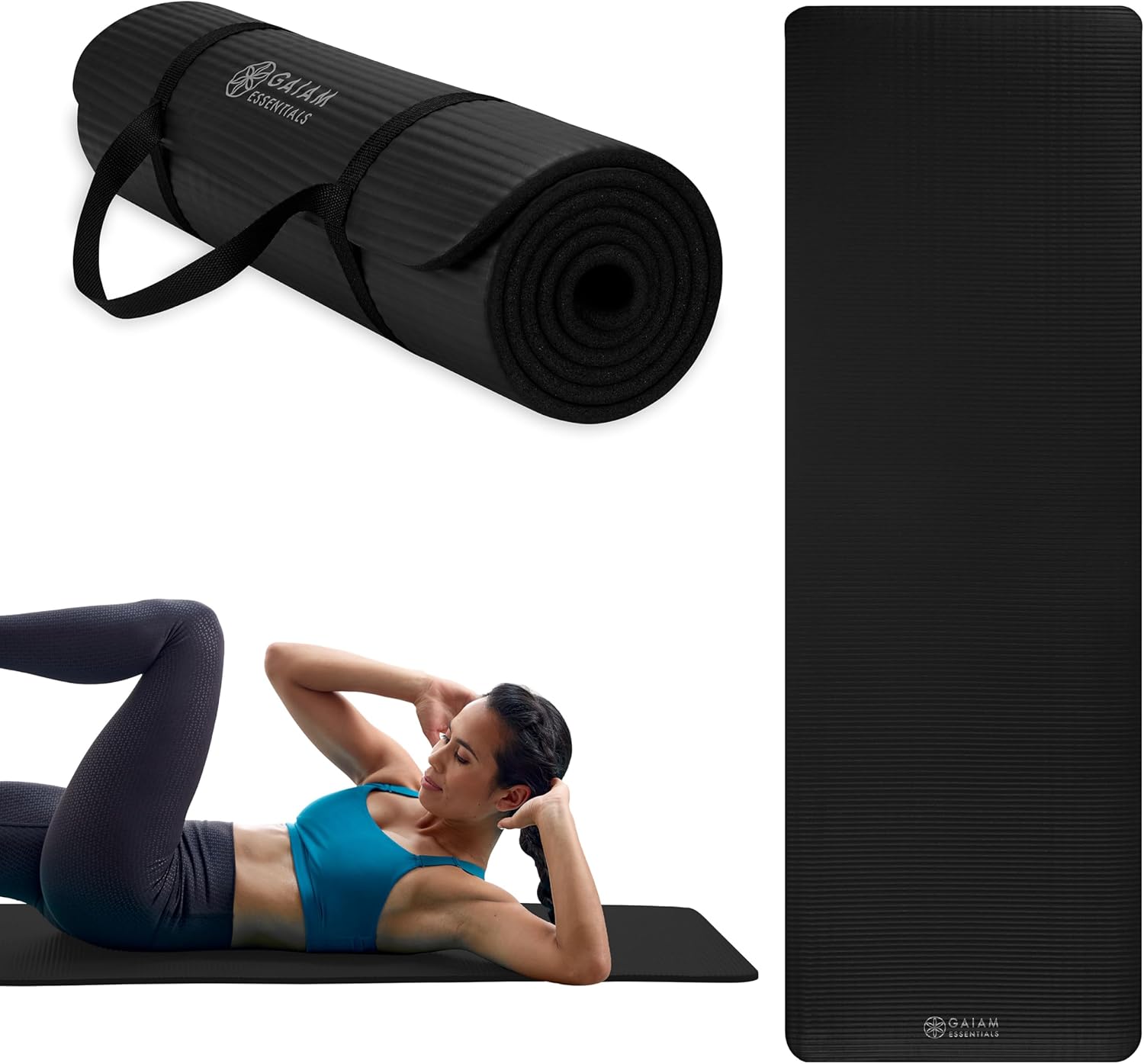
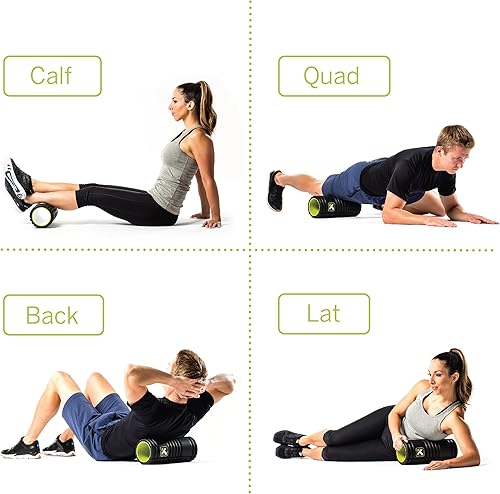
You do not need a huge home gym or complicated machines. The items below can make your training more comfortable, joint friendly, and enjoyable.



Always choose loads and equipment appropriate for your current strength and mobility, and speak with your healthcare provider before starting any new exercise or supplement routine.
Celebrity Example: Jessica Biel's Strength-Focused Training in Her 40s
A real world example of science based training after 40 comes from actor Jessica Biel. Now in her 40s, she has openly discussed shifting her workouts from purely aesthetic goals to sustainable strength and longevity. In interviews, she and her coaches describe programs built around lower body strength moves like hip thrusts, Romanian deadlifts, lunges, and core work, combined with mobility and Pilates to keep her joints healthy.
She has also emphasized that the extremely lean look she achieved for certain roles required restrictive routines that are not maintainable long term, and that her current approach focuses on getting “older and stronger together” with her audience instead of chasing perfection. This mirrors what the research shows for women over 40: consistent strength training, moderate cardio, and realistic expectations create better long term results than extreme short term transformations.
FAQ: Effective Workouts for Women Over 40
For most women, two to three strength sessions plus two to three cardio sessions per week, along with regular walking and daily movement, provide excellent results. If you are very busy, start with two strength days and one longer cardio day and build from there.
No. Studies show that women in their 50s, 60s, and even 70s can build strength and muscle using well designed resistance programs. You may need to progress more gradually, but your body can still adapt positively at any age with appropriate training.
Cardio is excellent for burning calories and improving heart health, while strength training protects muscle and helps keep your metabolism higher as you lose fat. Combined programs consistently produce the best changes in body composition for postmenopausal women, so you do not have to choose one or the other.
For healthy women with a base of fitness, one or two short HIIT sessions can be an efficient alternative to longer moderate cardio. However, HIIT is more demanding, so respect recovery, avoid all out efforts, and consult your doctor if you have cardiovascular risk factors or have been sedentary for a long time.
A gym provides more options, but you can build an effective routine at home with a few key tools like a thick mat, resistance bands, dumbbells, or a step. The best workouts are the ones you can actually do consistently with your current resources.
Scientific References
- Khalafi M, et al. The effects of exercise training on body composition in postmenopausal women: a systematic review and meta-analysis. Front Endocrinol (Lausanne). 2023.
- Isenmann E, et al. Resistance training alters body composition in middle-aged women depending on menopause – A 20-week control trial. BMC Womens Health. 2023.
- Kim SW, et al. Effects of twenty-four weeks of resistance exercise training on body composition, bone mineral density, and muscle strength in obese older women. Int J Environ Res Public Health. 2022.
- Chodzko-Zajko WJ, et al. Exercise and physical activity for older adults. Med Sci Sports Exerc. 2009. American College of Sports Medicine Position Stand.
- Fragala MS, et al. Resistance training for older adults: position statement from the National Strength & Conditioning Association. J Strength Cond Res. 2019.
- Li Y, et al. The impact of high-intensity interval training on women's health: a narrative review. 2024.
- Alzar-Teruel M, et al. High-intensity interval training among middle-aged and older adults for body composition and muscle strength: a systematic review. Front Public Health. 2022.
- Schneider A, et al. Effects of high-intensity interval training on physical fitness and body composition in older adults. Appl Sci. 2025.
- Danković G, et al. Effects of high-intensity interval training on physical fitness and body composition. Sci Rep. 2025.
- Ioannidou P, et al. Combinatory effects of free weight resistance training and high-protein diet on body composition in postmenopausal women. 2024.
Conclusion
The most effective workouts for women over 40 are not extreme bootcamps or endless cardio sessions. They are balanced, sustainable programs built around strength training, supportive cardio, and mobility and balance work. Together, these elements preserve muscle and bone, support hormones and metabolic health, and protect your ability to move confidently through everyday life.
You do not need to train like a professional athlete to see results. Two or three focused strength sessions per week, combined with regular walking or other cardio, occasional intervals if appropriate, and short mobility routines, can transform how you feel in your 40s, 50s, and beyond. Start with what you can manage, progress gradually, and remember that consistency over months and years matters more than any single “perfect” workout.
Your workouts are no longer just about looking a certain way for a season. Done wisely, they become one of the most powerful investments in your long term health, independence, and confidence.
Disclaimer
This article is for informational and educational purposes only and does not constitute medical advice, diagnosis, or treatment. Always consult your physician or another qualified health professional before starting or changing any exercise program, diet, or supplement regimen, especially if you have existing medical conditions or risk factors. We do not take responsibility for any consequences resulting from the use or misuse of the information provided in this article.


