Zone 2 Cardio Explained: The Secret to Better Fat Burning
For decades, fitness enthusiasts believed that exercising harder was always better. High-intensity interval training, boot camps, and exhausting cardio sessions became the gold standard for burning fat.
But what if one of the most effective ways to improve your metabolism, lose body fat, increase endurance, and even support long-term health required slowing down instead of speeding up?
Welcome to Zone 2 cardio—a training method embraced by endurance athletes, exercise scientists, longevity researchers, and even professional cyclists.
Unlike workouts that leave you gasping for air, Zone 2 training teaches your body to become incredibly efficient at using fat as fuel. It strengthens your heart, improves mitochondrial function, increases aerobic capacity, and builds an engine capable of supporting both athletic performance and everyday health.
In recent years, Zone 2 has become one of the most discussed topics in sports science, largely because researchers now understand much more about how our muscles produce energy and why low-to-moderate intensity exercise delivers remarkable long-term benefits.
Table of Contents
- What Is Zone 2 Cardio?
- Understanding the Five Heart Rate Zones
- Why Zone 2 Is Different
- How Your Body Produces Energy
- The Science Behind Fat Burning
- Mitochondria: Your Body's Power Plants
- Choosing the Right Heart Rate Monitor
What Is Zone 2 Cardio?
Zone 2 cardio refers to exercising at a moderate intensity where your body primarily relies on fat oxidation while still producing energy efficiently through aerobic metabolism.
Simply put, you are working hard enough to improve fitness but not so hard that your body must depend mainly on carbohydrates for fuel.
Most people describe Zone 2 as a pace where they can comfortably maintain a conversation but cannot easily sing.
This level of effort may feel surprisingly easy at first, especially for people accustomed to intense workouts.
Many people unknowingly spend too much time exercising in the "middle ground"—too hard to maximize fat oxidation but too easy to maximize high-intensity performance. Zone 2 helps solve that problem.
Understanding the Five Heart Rate Zones
Exercise intensity is commonly divided into five training zones based on heart rate.
| Zone | Intensity | Main Fuel Source |
|---|---|---|
| Zone 1 | Very Easy | Mostly Fat |
| Zone 2 | Easy to Moderate | High Fat Oxidation |
| Zone 3 | Moderate | Mixed Fat & Carbohydrates |
| Zone 4 | Hard | Mainly Carbohydrates |
| Zone 5 | Maximum Effort | Almost Entirely Carbohydrates |
Although all training zones have value, Zone 2 occupies a unique position because it improves your body's ability to use fat while simultaneously strengthening your aerobic system.
Why Zone 2 Is Different
Imagine two cars.
One constantly accelerates and brakes in city traffic.
The other cruises efficiently on the highway.
Your metabolism behaves in a similar way.
High-intensity workouts consume energy rapidly but depend heavily on stored carbohydrates.
Zone 2 encourages your body to generate energy steadily from stored fat while preserving glycogen for when you truly need it.
This metabolic efficiency is one reason endurance athletes spend surprisingly large portions of their weekly training at relatively comfortable intensities.
Elite endurance athletes often perform 70–80% of their weekly training below high intensity, allowing them to build extraordinary aerobic fitness while avoiding excessive fatigue.
How Your Body Produces Energy
Every movement you make requires adenosine triphosphate (ATP), the body's universal energy currency.
Your muscles can generate ATP using several pathways.
Carbohydrate Metabolism
Carbohydrates provide energy quickly, making them ideal during intense exercise.
However, glycogen stores are limited and eventually become depleted.
Fat Oxidation
Fat contains enormous amounts of stored energy.
Even lean individuals carry enough body fat to fuel many hours—or even days—of moderate exercise.
The challenge is that fat requires oxygen and efficient mitochondria to convert it into usable energy.
Zone 2 training enhances exactly that system.
The Science Behind Fat Burning
Many advertisements promise magical "fat-burning" supplements or quick solutions.
The human body is far more sophisticated.
Fat burning depends on exercise intensity, oxygen availability, mitochondrial function, hormone balance, nutrition, and long-term training adaptations.
When exercising in Zone 2, your muscles increase their reliance on fatty acids as a primary fuel source.
Over weeks and months, consistent training improves your body's ability to transport, oxidize, and utilize fat more efficiently.
This adaptation is often called metabolic flexibility—the ability to switch efficiently between carbohydrates and fats depending on your activity level.
Zone 2 does not magically burn belly fat during a single workout. Instead, it improves the metabolic machinery that supports long-term fat loss when combined with healthy nutrition and consistent exercise.
Mitochondria: Your Body's Tiny Power Plants
If there is one reason scientists have become fascinated by Zone 2 training, it is the mitochondria.
Mitochondria are microscopic structures inside nearly every cell of your body.
Their job is simple:
Convert oxygen, fats, and carbohydrates into usable energy.
Regular Zone 2 training stimulates the body to improve both the number and efficiency of these cellular power plants.
Healthier mitochondria may contribute to:
- Better endurance
- Improved insulin sensitivity
- Greater energy levels
- Healthier aging
- Improved exercise recovery
- Better cardiovascular fitness
Researchers increasingly consider mitochondrial health one of the most important factors influencing physical performance, metabolic health, and healthy aging.
How Do You Know You're Really in Zone 2?
Although laboratory testing provides the highest accuracy, most people can estimate Zone 2 using practical methods.
- You can speak in full sentences.
- Your breathing is deeper but controlled.
- You could maintain the pace for 45–90 minutes.
- You finish feeling energized rather than exhausted.
Using a heart rate monitor makes staying within your target range much easier.
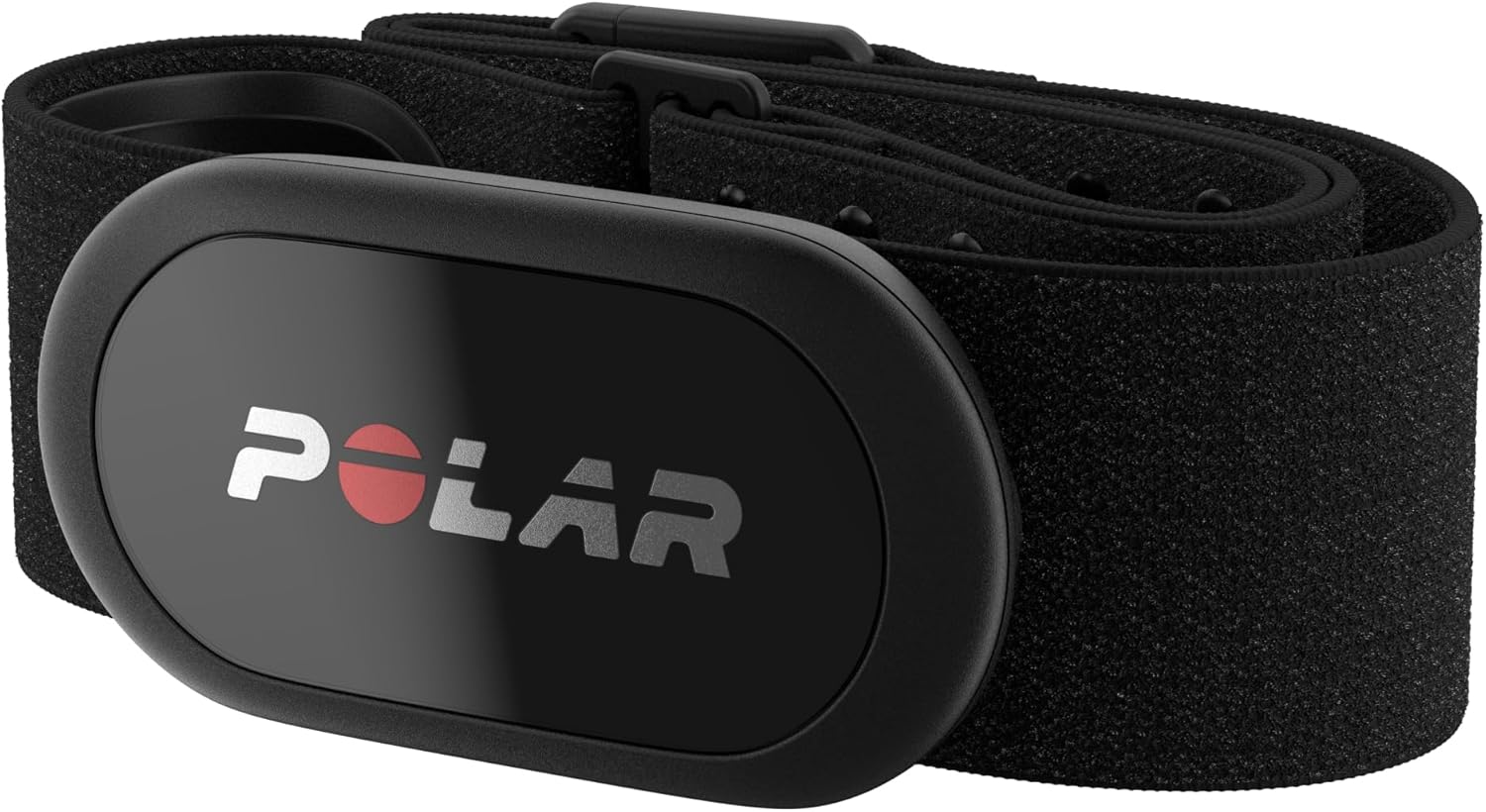
Recommended Gear: Polar H10 Heart Rate Sensor
The Polar H10 is widely regarded as one of the most accurate consumer heart rate monitors available. It connects with most fitness apps, smartwatches, cycling computers, and training platforms, making it ideal for Zone 2 workouts where maintaining the correct heart rate is essential.
Its chest-strap design delivers highly reliable heart rate measurements for walking, cycling, rowing, and treadmill training.
Check Price on AmazonWhy So Many Experts Recommend Zone 2
Exercise physiologists increasingly recommend including Zone 2 sessions alongside strength training and occasional high-intensity workouts.
The goal is not simply burning calories during exercise—it is improving how your body produces energy every hour of every day.
When your aerobic engine becomes stronger, everyday activities feel easier, recovery improves, and higher-intensity workouts become more effective.
In Part 2, you'll learn how Zone 2 supports weight loss, improves insulin sensitivity, enhances metabolic flexibility, how to calculate your personal Zone 2 heart rate, a beginner-friendly weekly training plan, and why physician and longevity expert Dr. Peter Attia has made Zone 2 one of the cornerstones of his fitness routine.
How Zone 2 Cardio Supports Weight Loss
One of the biggest misconceptions in the fitness world is that the workout burning the most calories is automatically the best for losing weight. While total calorie balance remains the primary factor in fat loss, how your body produces energy also plays an important role.
Zone 2 cardio helps improve your body's ability to oxidize fat efficiently. Instead of relying heavily on stored carbohydrates, your muscles gradually become better at using fat as a primary energy source during moderate exercise.
This doesn't mean you'll lose body fat after a single Zone 2 session. Rather, consistent training improves the metabolic adaptations that make long-term weight management easier.
Combined with a balanced diet, adequate sleep, and strength training, Zone 2 becomes a powerful tool for sustainable fat loss.
Think of Zone 2 as teaching your body to become a better "fat-burning engine." The benefits accumulate gradually over weeks and months of consistent training.
Improved Metabolic Flexibility
One of the most exciting concepts in exercise science is metabolic flexibility.
Healthy metabolism means your body can efficiently switch between carbohydrates and fats depending on what you're doing.
For example:
- During an easy walk, your muscles primarily use fat.
- During a sprint, carbohydrates become the dominant fuel.
- After recovery, fat again becomes the preferred energy source.
Unfortunately, sedentary lifestyles, poor nutrition, and lack of aerobic conditioning may reduce this flexibility.
Regular Zone 2 training helps restore this natural metabolic balance.
Researchers have found improvements in:
- Fat oxidation
- Insulin sensitivity
- Blood glucose regulation
- Aerobic efficiency
- Exercise endurance
Improving metabolic flexibility doesn't only help athletes. It may also support healthier aging and better long-term metabolic health in everyday adults.
Better Insulin Sensitivity
Insulin is one of the body's most important hormones. It helps move glucose from the bloodstream into your muscles and other tissues.
When insulin sensitivity declines, blood sugar regulation becomes less efficient.
Regular aerobic exercise—including Zone 2 training—has consistently been associated with improved insulin sensitivity and healthier glucose metabolism.
This is one reason healthcare professionals often recommend regular moderate-intensity physical activity as part of a healthy lifestyle.
Heart Health Benefits
Your heart is a muscle.
Like every other muscle, it adapts to training.
Zone 2 cardio strengthens the cardiovascular system by increasing stroke volume—the amount of blood pumped with each heartbeat.
Over time, this allows the heart to work more efficiently during both exercise and daily life.
Research has associated regular aerobic training with:
- Lower resting heart rate
- Improved aerobic capacity
- Better circulation
- Healthier blood pressure
- Reduced cardiovascular risk factors
A 45-minute Zone 2 session performed three or four times each week is often more beneficial than occasional exhausting workouts followed by long periods of inactivity.
How to Calculate Your Zone 2 Heart Rate
There is no single formula that works perfectly for everyone because fitness level, age, genetics, medications, and training history all influence heart rate.
However, several practical methods can provide a useful starting point.
Method 1: The Talk Test
If you can comfortably speak complete sentences but cannot sing continuously, you are probably close to Zone 2.
Method 2: Percentage of Maximum Heart Rate
Many coaches estimate Zone 2 at approximately 60–70% of maximum heart rate.
Maximum heart rate is often estimated as:
220 − Age
This formula is only an approximation but works reasonably well for many recreational exercisers.
Method 3: Laboratory Testing
Sports performance laboratories can determine aerobic thresholds using lactate or respiratory gas analysis.
This remains the gold standard but is unnecessary for most people.
A Simple Weekly Zone 2 Training Plan
| Day | Workout |
|---|---|
| Monday | 45 minutes Zone 2 walking or cycling |
| Tuesday | Strength Training |
| Wednesday | 60 minutes Zone 2 |
| Thursday | Rest or light mobility |
| Friday | 45–60 minutes Zone 2 |
| Saturday | Strength Training |
| Sunday | Easy walk or recovery session |
This schedule provides an excellent balance between aerobic conditioning, muscular strength, and recovery.
Real-Life Example: Why Dr. Peter Attia Prioritizes Zone 2
Physician and longevity researcher Dr. Peter Attia frequently discusses Zone 2 training as one of the most valuable forms of exercise for long-term health.
Rather than focusing only on burning calories, Dr. Attia emphasizes improving mitochondrial function and aerobic capacity. According to his interviews and educational presentations, he performs multiple Zone 2 sessions each week as a cornerstone of his longevity-focused exercise program.
His philosophy reflects a growing body of scientific evidence suggesting that improving aerobic fitness is strongly associated with healthier aging and reduced risk of chronic disease.
Dr. Attia combines Zone 2 cardio with strength training because both systems complement each other. Strong muscles and a strong aerobic engine together support better health throughout life.
Why a Fitness Watch Makes Zone 2 Easier
Although a chest-strap monitor offers the highest heart rate accuracy, many people prefer using a GPS fitness watch for everyday training.
Modern watches continuously display heart rate, workout duration, pace, calories, and training history, making it much easier to stay inside your target Zone 2 range.

Recommended Gear: Garmin Forerunner 165 GPS Smartwatch
The Garmin Forerunner 165 is an excellent choice for beginners and experienced fitness enthusiasts alike. It provides continuous heart rate monitoring, GPS tracking, personalized workout data, recovery insights, and detailed training summaries.
Its easy-to-read display and excellent battery life make it ideal for long Zone 2 walks, cycling sessions, treadmill workouts, and outdoor adventures.
Check Price on AmazonIn Part 2B, we'll cover the most common Zone 2 mistakes, answer frequently asked questions, explain how to combine Zone 2 with strength training and HIIT, summarize the key lessons, and provide a complete list of scientific references, medical disclaimer, SEO description, and article category.
Common Zone 2 Cardio Mistakes
Zone 2 training appears simple, but many people unintentionally reduce its effectiveness by making a few common mistakes. Fortunately, most of them are easy to correct.
1. Exercising Too Hard
This is by far the most common mistake.
Many people believe that if they are not sweating heavily or breathing hard enough, the workout is ineffective. As a result, they gradually increase their pace until they are training in Zone 3 or even Zone 4.
The goal of Zone 2 is not maximum effort—it is maintaining a sustainable intensity that primarily challenges your aerobic system.
2. Ignoring Heart Rate
Without monitoring your heart rate, it is surprisingly easy to drift into a higher training zone, especially on hills or during exciting music playlists.
Using a heart rate monitor or fitness watch helps keep your training consistent.
3. Expecting Immediate Fat Loss
Zone 2 improves your body's ability to use fat as fuel, but it does not override poor nutrition or unhealthy lifestyle habits.
Long-term fat loss still depends on overall calorie balance, regular exercise, quality sleep, and a nutritious diet.
4. Skipping Strength Training
Cardio alone is rarely the ideal solution for improving body composition.
Strength training helps preserve muscle mass, supports metabolism, and complements the cardiovascular benefits of Zone 2.
5. Not Being Consistent
One long workout every few weeks cannot replace regular weekly training.
The body adapts gradually through repeated exposure to moderate exercise.
Zone 2 is about patience. The biggest improvements often appear after several months of consistent training rather than after a few workouts.
Can You Combine Zone 2 with HIIT and Strength Training?
Absolutely.
In fact, many exercise scientists consider this one of the most effective approaches for improving overall fitness.
A balanced weekly routine may include:
- 2–4 Zone 2 cardio sessions
- 2–3 strength-training workouts
- 1 optional high-intensity interval training (HIIT) session
- 1–2 recovery or mobility days
This combination develops:
- Cardiovascular endurance
- Muscle strength
- Metabolic health
- Functional fitness
- Recovery capacity
- Long-term sustainability
Many elite endurance athletes spend most of their training time at relatively low intensity while performing only a small percentage of high-intensity workouts. This approach allows them to recover better while continuously improving aerobic fitness.
Who Can Benefit Most from Zone 2?
Zone 2 training is remarkably versatile and can benefit people of nearly every fitness level.
- Beginners starting their fitness journey.
- People trying to lose weight.
- Adults over 40 interested in healthy aging.
- Recreational runners and cyclists.
- Busy professionals looking for sustainable exercise.
- Individuals returning to exercise after a long break.
Because the intensity is moderate, many people find Zone 2 easier to maintain over the long term than extremely demanding workout programs.
Frequently Asked Questions
How many Zone 2 sessions should I do each week?
Most healthy adults benefit from two to four sessions lasting 45–60 minutes. More experienced athletes may train longer depending on their goals.
Is walking enough for Zone 2?
Yes. Brisk walking is an excellent option if it raises your heart rate into your personal Zone 2 range.
Can I do Zone 2 every day?
Many people can safely perform Zone 2 most days of the week because the intensity is relatively low. However, recovery and individual fitness levels should always be considered.
Does Zone 2 build muscle?
Zone 2 is not designed for muscle growth. It primarily develops aerobic fitness and metabolic efficiency. Strength training remains the best strategy for building significant muscle mass.
Which activities work best?
- Walking
- Fast walking on an incline
- Cycling
- Rowing
- Swimming
- Elliptical training
- Light jogging (for trained individuals)
How long before I notice results?
Many people begin noticing improved endurance and easier breathing within four to six weeks of consistent training. Larger metabolic and cardiovascular adaptations continue developing over several months.
Conclusion
Zone 2 cardio demonstrates that effective exercise does not always require maximum intensity. By training at a sustainable pace, you help your body become more efficient at producing energy, using fat as fuel, strengthening the heart, and improving overall aerobic fitness.
Unlike short-term fitness trends, Zone 2 is supported by decades of exercise physiology research and continues to gain attention from scientists, physicians, and elite athletes alike.
If your goal is sustainable weight management, improved endurance, healthier aging, or simply feeling more energetic throughout the day, incorporating two to four Zone 2 sessions into your weekly routine can be one of the smartest long-term investments in your health.
Remember that consistency always beats perfection. A moderate workout performed regularly will almost always deliver greater long-term benefits than occasional all-out efforts followed by long periods of inactivity.
Fitness is not about pushing yourself to exhaustion every day. It is about building habits that you can maintain for years. Zone 2 cardio is one of the simplest, safest, and most scientifically supported ways to do exactly that.
Scientific References
- American College of Sports Medicine (ACSM). ACSM's Guidelines for Exercise Testing and Prescription.
- World Health Organization. WHO Guidelines on Physical Activity and Sedentary Behaviour.
- American Heart Association. Recommendations for Physical Activity in Adults.
- National Institutes of Health. Physical Activity Guidelines and Health Benefits.
- Brooks GA. The Science and Translation of Lactate Shuttle Theory. Cell Metabolism.
- San Millán I, Brooks GA. Assessment of Metabolic Flexibility by Means of Measuring Blood Lactate. Sports Medicine.
- National Institute on Aging. Exercise and Physical Activity.
- American Diabetes Association. Physical Activity and Diabetes.
Medical Disclaimer
The information provided in this article is intended solely for educational and informational purposes. It should not be considered medical advice, diagnosis, or treatment. Always consult a qualified healthcare professional before beginning a new exercise or nutrition program, especially if you have cardiovascular disease, diabetes, high blood pressure, or any other medical condition.
The authors and publishers of this website assume no responsibility or liability for any injury, loss, or damage resulting from the use or misuse of the information presented in this article.


