How Aging Changes Your Metabolism
Have you ever looked at old photos and wondered why staying lean seemed effortless in your twenties? Maybe you could eat pizza late at night, skip the gym for weeks, and still maintain a healthy weight. Fast forward a few decades, and suddenly every extra snack appears to leave a permanent mark.
Many people blame aging itself for weight gain. While aging certainly changes the body, the truth is far more fascinating. Your metabolism doesn't simply "shut down" overnight. Instead, a complex combination of biological, hormonal, lifestyle, and environmental factors gradually alters how your body uses energy.
Understanding these changes is one of the most powerful tools for maintaining health, energy, and body composition throughout life. The good news is that many age-related metabolic changes can be slowed—or even partially reversed—through smart habits.
What Exactly Is Metabolism?
Before exploring how aging affects metabolism, it's important to understand what metabolism actually means.
Metabolism refers to all chemical processes that keep your body alive. Every heartbeat, breath, muscle contraction, thought, and cellular repair process requires energy. Your body obtains this energy from food and converts it into usable fuel.
Your total daily energy expenditure consists of several components:
- Basal Metabolic Rate (BMR) – calories burned to keep you alive at rest.
- Physical Activity – calories burned through movement and exercise.
- Non-Exercise Activity Thermogenesis (NEAT) – calories burned through everyday activities such as walking, standing, cleaning, and fidgeting.
- Thermic Effect of Food – calories required to digest and process food.
For most people, BMR accounts for roughly 60% to 75% of daily calorie expenditure. This makes it the largest factor influencing overall metabolism.
As we age, changes occur in nearly every component of this system.
The Surprising Truth About Metabolism and Age
For decades, researchers believed metabolism slowed steadily throughout adulthood. However, a groundbreaking international study published in Science challenged this assumption.
Researchers analyzed energy expenditure data from more than 6,400 individuals ranging from infancy to old age. The results surprised scientists around the world.
This finding suggests that many people who experience weight gain during middle age are not necessarily suffering from a dramatically slower metabolism.
Instead, subtle changes accumulate over time:
- Less daily movement
- Gradual muscle loss
- Poor sleep quality
- Higher stress levels
- Hormonal changes
- Changes in eating habits
Together, these factors create the impression that metabolism has collapsed when, in reality, lifestyle shifts are often doing much of the damage.
Muscle Loss: The Hidden Metabolic Killer
If there is one age-related change that truly affects metabolism, it is the gradual loss of muscle tissue.
This process is known as sarcopenia.
Beginning as early as the thirties, adults can lose approximately 3% to 8% of muscle mass per decade. The rate often accelerates after age 60.
Muscle tissue is metabolically active. Even while resting, muscles require energy for maintenance and repair.
As muscle mass decreases:
- Daily calorie needs decline.
- Strength decreases.
- Physical activity often becomes more difficult.
- Fat accumulation becomes more likely.
This creates a vicious cycle.
Less muscle leads to fewer calories burned. Fewer calories burned increase the likelihood of weight gain. Additional body fat can make physical activity less appealing, leading to further muscle loss.
A Real-World Example
Consider two 55-year-old individuals with the same body weight.
Person A has maintained strength training for decades and carries substantial lean muscle mass.
Person B lives a mostly sedentary lifestyle and has lost significant muscle over time.
Although both weigh the same, Person A may burn hundreds more calories each day simply because muscle tissue requires more energy than fat tissue.
This difference compounds over months and years, dramatically influencing long-term body composition.
Why Hormones Change Everything
Hormones act as the body's internal messaging system. They influence appetite, energy levels, fat storage, muscle growth, and metabolic efficiency.
As people age, hormone production gradually changes.
Testosterone
Men naturally experience declining testosterone levels with age.
Lower testosterone can contribute to:
- Reduced muscle mass
- Increased body fat
- Lower energy levels
- Decreased physical performance
Estrogen
Women experience significant hormonal shifts during menopause.
Declining estrogen levels often lead to changes in fat distribution, particularly around the abdomen.
Many women notice that maintaining their previous weight suddenly becomes more challenging during this transition.
Growth Hormone
Growth hormone production gradually declines with age.
This hormone helps regulate:
- Muscle maintenance
- Fat metabolism
- Tissue repair
- Recovery processes
Lower levels may contribute to age-related changes in body composition.
Insulin Sensitivity
Aging is often associated with reduced insulin sensitivity.
When cells become less responsive to insulin, blood sugar regulation becomes more difficult. This may increase fat storage and elevate the risk of metabolic disorders.
The Role of Physical Activity
One of the biggest reasons people feel their metabolism has slowed is that they move far less than they used to.
This decline often happens gradually and almost invisibly.
Think about the average adult:
- Longer hours sitting at work
- More driving and less walking
- Fewer recreational sports
- Less spontaneous movement throughout the day
Researchers frequently observe significant reductions in NEAT (Non-Exercise Activity Thermogenesis) with age.
NEAT includes activities such as:
- Walking around the office
- Gardening
- Taking the stairs
- Household chores
- Standing instead of sitting
These activities may seem insignificant individually, but together they can account for hundreds of calories burned daily.
When NEAT decreases, total calorie expenditure drops—even if formal exercise routines remain unchanged.
Why Sleep Matters More Than Ever
Sleep quality often declines with age.
Unfortunately, poor sleep can directly affect metabolism in several ways.
Research has shown that insufficient sleep can alter the hormones responsible for hunger and satiety.
Specifically:
- Ghrelin increases, stimulating hunger.
- Leptin decreases, reducing feelings of fullness.
This combination can make people consume significantly more calories without realizing it.
In addition, poor sleep may:
- Reduce insulin sensitivity
- Increase cravings for sugary foods
- Lower motivation for exercise
- Elevate stress hormone levels
The result is a metabolic environment that favors weight gain.
Ironically, many people attempt to solve age-related weight gain solely through diet while ignoring one of the most powerful metabolic regulators available: sleep.
Stress, Cortisol, and the Aging Metabolism
Stress is often overlooked when discussing metabolism, yet it can have a profound impact on body weight and overall health.
As people age, responsibilities tend to increase. Careers become more demanding, financial concerns may grow, aging parents may require care, and health worries can become more common. Chronic stress activates the body's stress response system, leading to increased production of cortisol.
Cortisol is not inherently bad. In short bursts, it helps the body respond to challenges. However, when cortisol remains elevated for extended periods, several metabolic problems may develop.
- Increased appetite
- Greater cravings for high-calorie foods
- Increased abdominal fat storage
- Reduced muscle-building capacity
- Poor sleep quality
- Lower energy levels
Many adults assume they are gaining weight because of age alone when chronic stress is actually playing a major role behind the scenes.
What Happens After Age 60?
While metabolism remains relatively stable through much of adulthood, scientists have found that energy expenditure begins to decline more noticeably after around age 60.
This does not mean the body suddenly stops burning calories. Instead, several age-related biological changes become more pronounced.
- Accelerated muscle loss
- Reduced physical activity
- Lower mitochondrial efficiency
- Changes in organ function
- Hormonal shifts
- Reduced recovery capacity
Mitochondria are often called the "powerhouses" of cells because they produce energy from nutrients. As we age, mitochondrial function tends to become less efficient.
This may contribute to lower energy levels, slower recovery from exercise, and gradual metabolic decline.
Fortunately, research shows that regular exercise, strength training, quality sleep, and proper nutrition can help maintain mitochondrial health well into older adulthood.
The Good News: Your Metabolism Is More Adaptable Than You Think
One of the biggest myths about aging is that metabolic decline is inevitable and irreversible.
In reality, many people significantly improve their body composition and energy levels later in life.
Researchers repeatedly find that lifestyle habits have a far greater influence on metabolic health than chronological age alone.
Even individuals in their sixties, seventies, and beyond can increase muscle mass, improve insulin sensitivity, and boost daily energy expenditure.
Your metabolism is not fixed. It responds continuously to how you eat, move, sleep, and recover.
A Famous Example: Ernestine Shepherd
One remarkable example of metabolic resilience is Ernestine Shepherd.
Shepherd did not begin serious fitness training until her fifties. Despite starting later than most athletes, she eventually became one of the world's most recognized senior bodybuilders.
Her story demonstrates an important lesson: age does not automatically determine physical capability.
Through consistent exercise, disciplined nutrition, adequate sleep, and strength training, Shepherd maintained an exceptional physique well into her seventies and beyond.
While most people will not pursue bodybuilding, her example highlights how lifestyle choices can dramatically influence metabolic health regardless of age.
Why Protein Becomes More Important With Age
As muscle mass naturally declines, dietary protein becomes increasingly important.
Protein provides the building blocks necessary for muscle maintenance and repair.
Unfortunately, many adults consume less protein as they age.
This can accelerate muscle loss and contribute to metabolic decline.
Higher protein intake may help:
- Preserve muscle mass
- Increase satiety
- Support recovery from exercise
- Boost the thermic effect of food
- Improve body composition
Unlike fats and carbohydrates, protein requires more energy to digest and process. This means the body burns additional calories during digestion.
For this reason, adequate protein intake is often recommended as part of a healthy aging strategy.
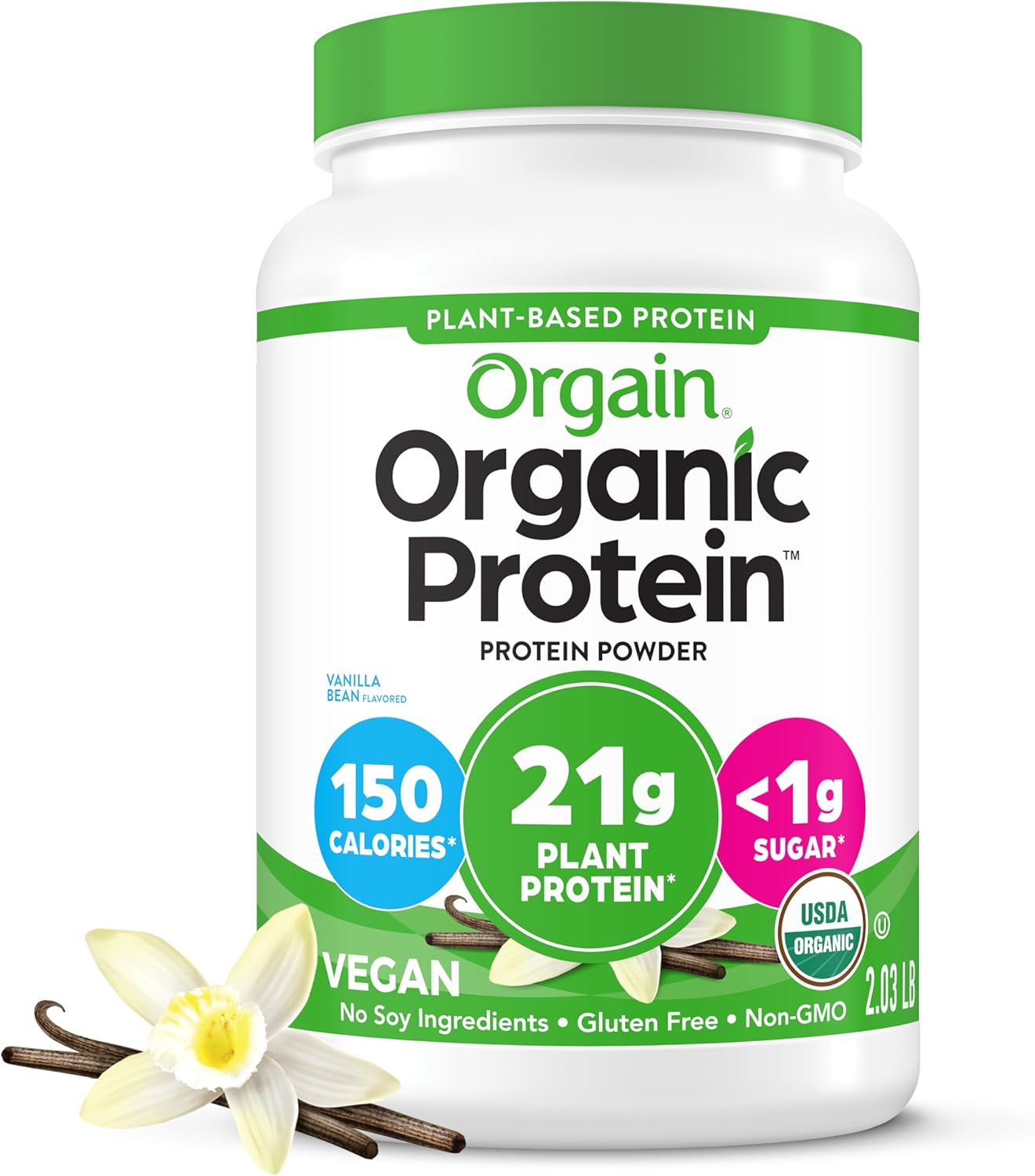
Recommended Product: Orgain Organic Protein Powder
For adults looking to support muscle maintenance while aging, a high-quality protein supplement can help increase daily protein intake conveniently.
This organic plant-based protein powder provides protein, fiber, and essential nutrients while remaining easy to incorporate into smoothies or meals.
Check Price on AmazonThe Importance of Strength Training
If there is one activity that consistently stands out in aging research, it is resistance training.
Strength training directly addresses one of the primary causes of metabolic decline: muscle loss.
Studies show that resistance exercise can:
- Increase lean muscle mass
- Improve insulin sensitivity
- Enhance bone density
- Boost functional strength
- Support healthy aging
Contrary to popular belief, strength training is not only for athletes or bodybuilders.
Simple exercises using resistance bands, dumbbells, machines, or body weight can produce meaningful benefits.
Even two or three weekly sessions may help preserve muscle and support long-term metabolic health.
Daily Habits That Quietly Slow Metabolism
Sometimes metabolism is affected less by major decisions and more by small daily habits repeated over years.
Examples include:
- Skipping breakfast and overeating later
- Sleeping less than seven hours regularly
- Spending most of the day sitting
- Consuming excessive ultra-processed foods
- Neglecting strength training
- Living with chronic unmanaged stress
Individually, these habits may seem insignificant. Together, however, they can gradually create conditions that encourage weight gain and metabolic dysfunction.
The encouraging news is that small improvements performed consistently often generate surprisingly powerful long-term results.
7 Science-Backed Ways to Support Your Metabolism as You Age
While aging brings unavoidable biological changes, there are many evidence-based strategies that can help maintain a healthy metabolism for decades.
1. Prioritize Strength Training
Resistance exercise remains one of the most effective ways to preserve muscle mass and maintain calorie-burning capacity. Aim for at least two to three strength-training sessions per week.
2. Eat Enough Protein
Protein supports muscle repair, recovery, and maintenance. Many experts recommend distributing protein intake evenly throughout the day rather than consuming most of it at dinner.
3. Stay Physically Active Every Day
Structured workouts are important, but daily movement matters too. Walking, gardening, household chores, and recreational activities can significantly contribute to overall calorie expenditure.
4. Improve Sleep Quality
Sleep is one of the most underrated metabolic tools. Consistent sleep schedules and good sleep hygiene can help regulate appetite and energy levels.
5. Manage Stress
Chronic stress may contribute to abdominal fat accumulation and metabolic dysfunction. Activities such as meditation, yoga, walking, and mindfulness practices may help reduce stress levels.
6. Focus on Whole Foods
A diet rich in vegetables, fruits, lean proteins, legumes, whole grains, and healthy fats provides nutrients that support metabolic health.
7. Stay Consistent
The biggest improvements often come from habits maintained for years rather than weeks. Consistency beats perfection every time.
The Role of Body Composition Tracking
Many people focus solely on the number displayed on the scale. However, body weight alone does not reveal how much muscle or fat a person carries.
As people age, maintaining muscle becomes increasingly important. Tracking body composition can provide more meaningful insights than simply monitoring weight.
For example, a person may remain the same weight while gaining muscle and losing fat—a significant health improvement that a traditional scale may not fully reflect.

Recommended Product: RENPHO Smart Scale
Many adults find it motivating to track body composition trends rather than focusing exclusively on body weight. Smart scales can provide information about body fat percentage, muscle mass estimates, and other useful metrics.
Monitoring long-term trends may help identify positive changes that are not immediately visible in the mirror.
Check Price on AmazonFrequently Asked Questions
Does metabolism really slow down after 30?
Not as dramatically as many people believe. Research suggests that much of the perceived slowdown is related to reduced activity levels, muscle loss, and lifestyle changes rather than age alone.
Can you build muscle after 50?
Yes. Numerous studies show that adults can build muscle well into later life through resistance training and adequate protein intake.
Why is belly fat more common with age?
Hormonal changes, reduced activity levels, stress, and muscle loss can all contribute to increased abdominal fat storage.
Can metabolism be improved naturally?
Healthy habits such as strength training, sufficient protein intake, quality sleep, stress management, and regular physical activity can help support metabolic health.
What is the biggest mistake people make?
Many people assume aging automatically causes weight gain and therefore stop trying to improve their habits. In reality, lifestyle choices remain powerful throughout life.
The Bottom Line
Aging changes the body, but it does not doom you to a slow metabolism or inevitable weight gain.
Modern research paints a far more optimistic picture than many people realize. While muscle loss, hormonal shifts, reduced activity, poor sleep, and stress can influence metabolism, these factors are often manageable.
The human body remains remarkably adaptable throughout life. Strength training can build muscle at nearly any age. Better sleep can improve appetite regulation. Consistent movement can increase daily energy expenditure. Smart nutrition choices can support healthy body composition for decades.
The most important lesson is simple: age matters, but habits matter more.
If you focus on preserving muscle, staying active, prioritizing recovery, and maintaining healthy nutrition habits, your metabolism can remain surprisingly resilient well into older adulthood.
Scientific Sources
- Daily energy expenditure through the human life course (Science)
- National Institute on Aging – Sarcopenia and Age-Related Muscle Loss
- CDC – Physical Activity for Older Adults
- National Heart, Lung, and Blood Institute – Sleep Deprivation and Deficiency
- National Institute on Aging – Exercise and Physical Activity
- Protein Requirements and Aging – PubMed
- Resistance Training and Older Adults – PubMed
- Mitochondrial Function and Aging – PubMed
Disclaimer
The information provided in this article is for educational and informational purposes only and should not be considered medical advice. Always consult a qualified healthcare professional before making significant changes to your diet, exercise program, supplement routine, or health management plan. We assume no responsibility for decisions made based on the information presented in this article.


